Earth dams play a vital role in water resource management, providing water for agriculture, human consumption, and industry use. They are favored for their flexibility and the use of readily available local materials when constructed. However, various factors can impact their long-term stability.
Here are some potential causes of earth dam failure:
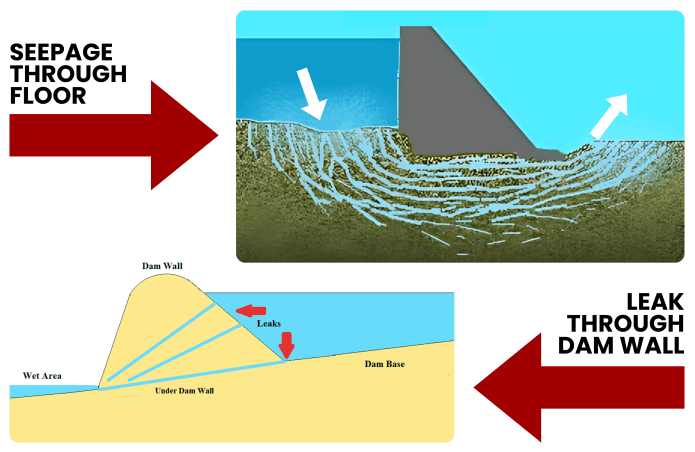
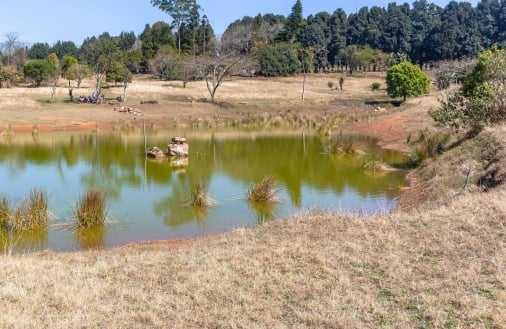
There are various ways you can observe that an earth dam is leaking. Investigate if you can see seepage through the dam walls. Look for darker coloured dirt or wet areas. A wet area forming close by the outside of the dam is a good indicator the dam is leaking. Water will escape through or under the dam wall & pool nearby. Seepage occurs as the water seeks a path of least resistance through the dam wall and floor. If left unchecked, seepage will erode the embankment or foundation causing dam failure.
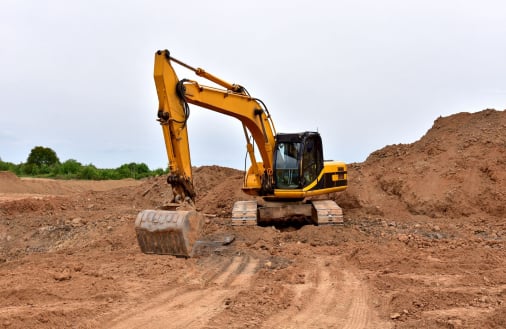
If a dam is not built correctly it will not hold water. A common mistake is not ensuring there is a key in the wall during the construction. This can cause a wet area to form outside the dam wall, with water likely to be leaking through or under the wall. Another reason for dam failure is lack of compaction.
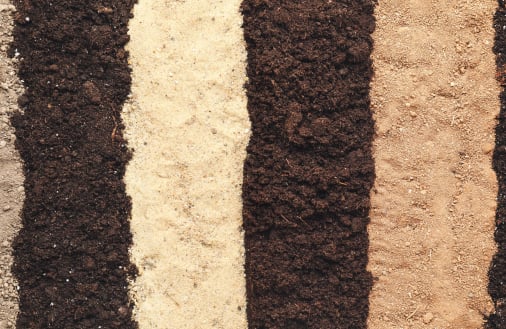
When compacted, clay is the ideal material for building an earth-based dam. Sandy/fine or coarse/rocky soil may struggle to hold water. Most dams have a combination of these soil types but will have a higher percentage of one type. Porous soil types will battle to hold water.
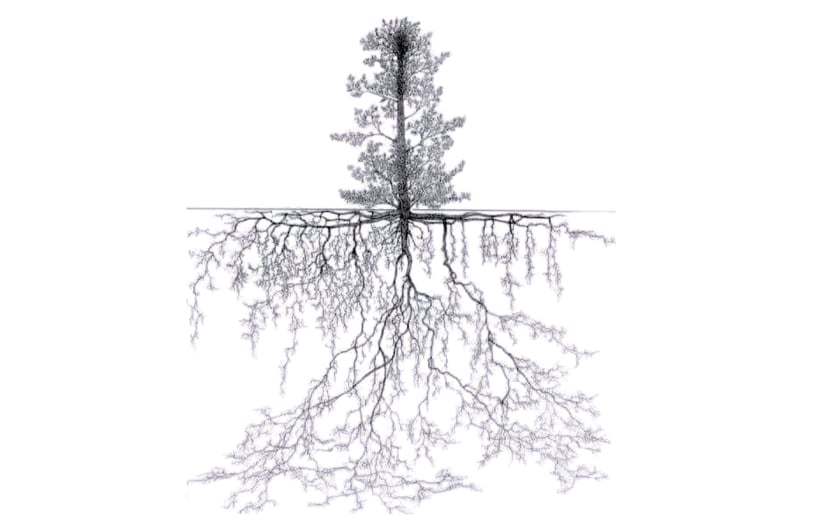
Root systems in general damage dam walls, when the tree dies and the roots rot out it leaves a space for water to leak. Obstructions such as fallen branches can puncture and alter the dam’s structure. Vegetation in or around the dam can also do this as it grows & dies. It is not uncommon for the surrounding landscape to make its mark on a dam. If the dam already has existing obstructions such as large boulders, these can cause a weak point in the dam.
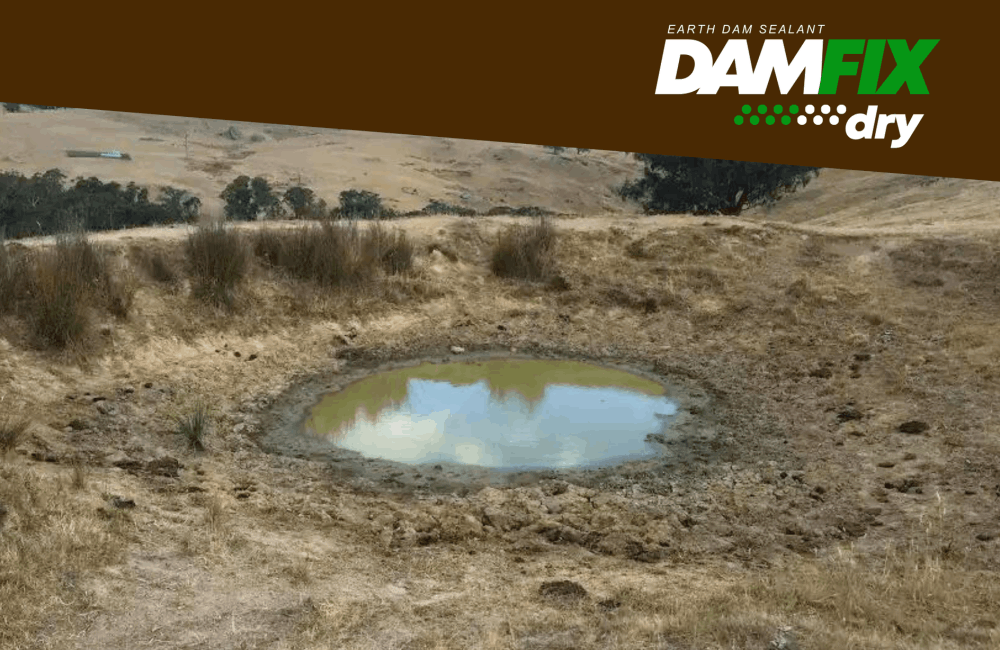
A dam may hold water for many years before it starts to show signs of leaking. Dramatic changes to the water levels for long periods of time either through lack of use or drought can cause a dam to dry out. This can result in cracking & cavities.
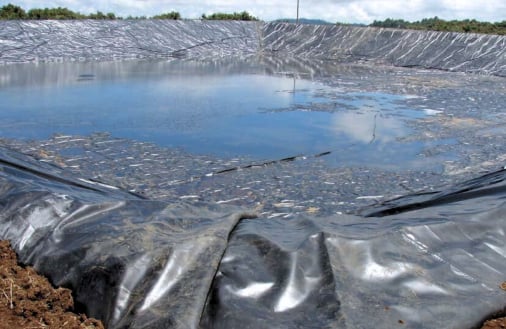
If a liner is incorrectly installed, a dam can continue to leak. If the joins & edges are not laid correctly, gaps can form, reducing the effectiveness of the liner. Liners can also be ripped or torn during installation or by wildlife & cattle who use the dam. Falling branches & debris can puncher the liner. Vegetation in & around the dam can reduce the effectiveness of the liner as it grows & dies as well.
Drag and Drop Website Builder